The Value of Routine Roof Inspections: Expert Advice From Premier Roofing & Exteriors
Routine roof inspections are critical for property owners looking to protect their property's worth and safety. Premier Roofing & Exteriors underscores the significance of early detection issues before they worsen, which can avoid costly repairs. Recognizing the typical issues and optimal methods for inspections can make a substantial difference. Many homeowners are curious about the best timing for conducting inspections and what the process involves. Exploring these aspects can reveal critical insights for effective roof maintenance.
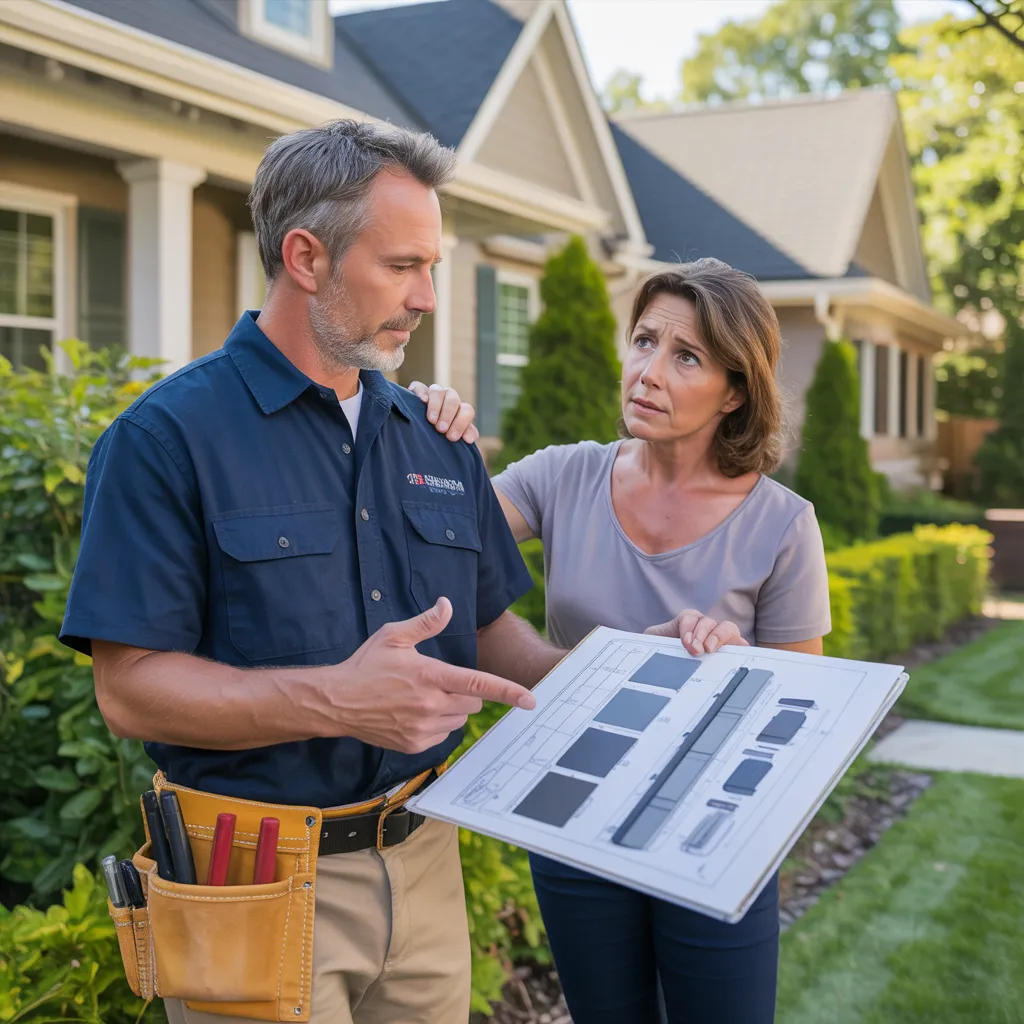
Why Consistent Roof Inspections Are Vital for Homeowners
Many homeowners often fail to recognize the significance of roof inspections, periodic assessments are fundamental to upholding a home's overall condition. Regular evaluations enable the timely identification of developing problems, minimizing the risk of significant financial burdens from future repairs. Weather elements, age, and environmental factors can gradually weaken a roof, making scheduled assessments vital for extending its lifespan. Homeowners stand to benefit greatly from detecting minor deterioration before it grows into serious damage, confirming the roof continues to perform effectively and safely.
Additionally, routine inspections help improve energy efficiency, as a properly maintained roof stops air leaks and preserves temperature control. This can bring about significant savings on energy expenses. Moreover, numerous insurance policies demand evidence of maintenance, making inspections essential for claims. In the end, planning consistent roof evaluations promotes peace of mind, knowing that the home is protected from the elements and potential hazards. Prioritizing roof inspections is an investment in the overall safety and value of the property.
Recognizing Frequent Roof Issues
Scheduled roof inspections serve a critical role in spotting typical problems that homeowners may encounter. Over time, roofs can develop complications such as missing shingles, which leave the underlying materials exposed to moisture and possible leaks. Furthermore, curled or cracked shingles could suggest weather-related or age-related damage, necessitating prompt attention.
Another common issue involves the buildup of dirt and debris in the gutters, which can lead to water pooling and damage to both the roof structure and the house's foundation. Property owners should also be alert to evidence of drooping or misaligned sections, as these could indicate structural concerns.
Additionally, the existence of moss or algae can accumulate moisture, causing further deterioration if not treated. By recognizing these prevalent roof issues early, homeowners can minimize potential damage, ensuring the integrity and longevity of their roofs. Regular inspections help to spot these concerns before they turn into costly repairs.
Recommended Frequency for Roof Inspections?
How frequently should homeowners perform roof inspections? Experts recommend inspecting roofs at least twice a year, with the best times being spring and fall. Shifting seasons can compromise the structural integrity of a roof, making periodic inspections critically important. Additionally, homeowners should schedule inspections after significant weather events, like powerful storms or hail events, which may cause hidden damage.
Neglecting roof inspections often results in expensive repairs, as small issues frequently worsen over time. For homes located in areas vulnerable to severe weather, additional inspections may be necessary. Recently installed roofs could necessitate less regular evaluations early on, but routine inspections remain important, specifically as the roof matures.
What Occurs During a Roof Inspection?
Throughout a roof inspection, a qualified inspector thoroughly assesses the overall condition of the roof, looking for signs of wear and potential issues. The professional first proceeds to assessing the roof's exterior for damaged or missing shingles, fractures, and various types of damage. They further evaluate downspouts, gutters, and flashings to confirm optimal drainage and overall performance.
Following this, the professional inspector examines the structural integrity of the roof, looking for irregular or sagging spots that could suggest underlying problems. They also examine the attic for signs of moisture or leaks, which could cause the growth of mold and subsequent damage.
Moreover, the assessment covers examining the state of airflow systems, verifying they are operating properly to minimize overheating and moisture buildup. Lastly, the technician records their observations, providing the homeowner with a detailed report that outlines the overall condition of the roof and any advice for maintenance or repairs.
How to Address Common Roof Problems
Tackling frequent roofing issues requires a proactive approach to ensure the durability and protection of the structure. Homeowners should regularly inspect their roofs for visible signs of damage, such as absent shingles, warped edges, or staining. If water intrusion is identified, prompt attention is required; filling openings with suitable sealants can avoid continued water deterioration.
To address clogged gutters, consistent maintenance is critical, as debris accumulation can lead to water pooling and increased roof wear. Additionally, checking for moss or algae growth is important, as they have the ability to retain moisture and lead to deterioration.
For instances involving severe damage, such as serious rot or structural concerns, it is advisable to consult a professional roofing contractor. Early intervention not only minimizes repair costs but also extends the roof's lifespan. Ultimately, keeping a watchful eye and tackling these issues without delay is vital for sustaining the integrity of the roof.
The Lasting Advantages of Preserving Your Roof's Integrity
Maintaining a roof's integrity offers significant long-term advantages that homeowners should consider. Regular upkeep Premier Roofing & Exteriors can prevent costly repairs, ensuring that minor issues do not escalate. Moreover, a thoroughly maintained roof can increase its longevity and boost overall energy efficiency, resulting in decreased energy expenses.
Prevent Costly Repairs
Periodic roof assessments can significantly reduce the risk of costly repairs in the future. By detecting minor concerns at an early stage, homeowners can tackle concerns before they develop into major damage. A small leak, for instance, can cause severe water damage and mold growth if left unattended. Routine inspections allow for prompt upkeep, which significantly reduces repair costs. Additionally, assessments can expose underlying vulnerabilities, such as damaged shingles or damaged flashing, ensuring that these issues are corrected in a timely manner. Committing to regular roof inspections not only protects a home's structural integrity but also boosts its overall property value. As a result, prioritizing roof inspections is a wise financial decision that protects against unexpected costs and sustains the property's value over the years.
Maximize Roof Lifespan
Although many homeowners tend to neglect the significance of roof upkeep, overlooking this essential element can significantly reduce a roof's longevity. Regular inspections and maintenance help identify minor issues before they escalate, safeguarding the roof's overall stability. Over time, weather elements like UV rays, rain, and snow can cause wear and tear. Tackling concerns including dislodged shingles, oxidation, or debris accumulation can help avoid substantial damage that demands costly restoration or replacement. Through dedication to regular evaluations, homeowners can ensure their roofing structure stays dependable and efficient for the long term. This forward-thinking strategy not only prolongs the roof's lifespan but also increases the property's overall worth, making it a sound investment for homeowners.
Boost Energy Efficiency
A well-kept roof can significantly improve a home's overall energy efficiency, leading to significant savings over time. Scheduled inspections help detect problems such as missing shingles or inadequate insulation, which can result in energy inefficiency. By addressing these problems promptly, homeowners can avoid heat from dissipating in the winter and lower cooling expenses during summer. Additionally, a roof in good condition deflects sunlight effectively, decreasing the demand for heavy air conditioning use. Energy-efficient roofing materials, often recommended during inspections, can further optimize performance. Ultimately, preserving the condition of the roof not only helps reduce monthly utility costs but also supports a greener and more sustainable home. This preventative method ensures long-term energy efficiency benefits are sustained for homeowners.
Frequently Asked Questions
How Much Do Roof Inspections Usually Cost?
Roof inspection costs generally range between $100 and $500, depending on factors such as the home's dimensions, geographic location, and the inspector's level of experience. A number of companies could offer no-cost inspections as part of their promotional packages.
Am I Able to Carry Out a Roof Inspection Myself?
Yes, an individual can carry out a roof inspection themselves. Nonetheless, they should be careful and aware of safe practices, as well as potential risks. Professional evaluations are advised for detailed examinations and to uncover underlying problems.
What Qualifications Does a Roofing Inspector Need?
A skilled roofing inspector should demonstrate proper certifications, extensive experience in roofing systems, thorough understanding of building regulations, and proper safety training. In addition, good communication skills are essential for effectively conveying findings and recommendations to property owners.
Do Homeowners Insurance Policies Cover Roof Inspections?
Homeowners insurance generally does not include coverage for roof inspections, as this type of service is classified as regular maintenance rather than a covered occurrence. Insurance policy terms vary, so it is recommended that homeowners consult their insurance documentation to better understand their coverage.
How Can I Find a Reputable Roofing Inspector?
To find a reputable roof inspection professional, one can seek recommendations from family or friends, review online ratings, and validate certifications through local licensing boards or professional associations to secure consistent quality and dependability in their services.